


 中文 (中国)
 Deutsch
 Français
 Italiano
 Español
 Português
 العربية
 Русский
 日本語
 한국어
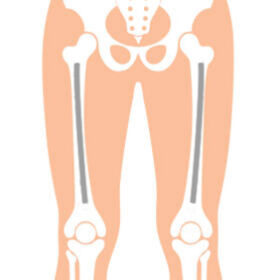 Fully Internal System
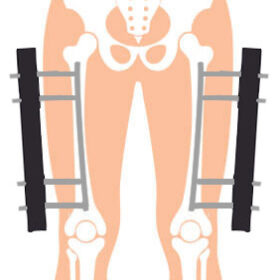 External Device System
 Before After Simulator
 Patient Portal
 Surgery Process
 Success Stories
 LL Surgery Packages
 Our Doctor
 Our Team
 Our Mission
 About Us
 Patient Care Guides
 Affiliate Program
 Activities in Istanbul


How to Get Taller After Puberty: What’s Actually Possible?
If you have ever measured yourself against a door frame, checked your height twice in one week, or wondered whether you are “done” growing, you are asking a very common question: how to get taller after puberty without falling for hype.
The honest answer is not as exciting as many online claims, but it is far more useful: after the growth plates in your long bones close, natural height increase from bone growth is no longer possible. Some late teens may still have growth left if their growth plates are open. Most adults do not.
That does not mean you have no options. It means the options need to be separated into three categories: remaining natural growth, apparent height improvement, and permanent adult height increase through medical treatment.
Quick reality check
If your growth plates are still open: you may have some natural growth remaining, depending on age, puberty timing, genetics, nutrition, and health.
If your growth plates are closed: stretching, pills, hanging, hormones, and exercises cannot make your leg bones longer.
If you want to look taller: posture, spinal health, clothing, strength, and footwear can help you stand and appear at your full height.
The honest answer: can you get taller after puberty?
Usually, no. Once puberty is complete and the growth plates have fused, the long bones of the legs and arms cannot naturally lengthen. Since standing height depends heavily on the length of these bones, true adult height is mostly fixed after growth plate closure.
However, “after puberty” can mean different things. A 16-year-old who started puberty late may not be in the same situation as a 25-year-old adult. Some late teens still grow because their skeleton is not fully mature, even if they feel that puberty is nearly over.
It is also important to separate permanent height gain from measuring or appearing slightly taller. Many people are a little taller in the morning because spinal discs are less compressed after sleep. Better posture can also help someone stand closer to their full natural height. These changes are real, but they do not mean the leg bones have grown longer.
For a deeper age-specific discussion, you may find this guide on whether you can still grow taller after 20 helpful.
Why growth plates decide whether you can still grow
The key to understanding how to get taller after puberty is understanding growth plates.
Growth plates are areas of cartilage near the ends of long bones, such as the femur and tibia in the legs. During childhood and adolescence, these cartilage zones allow bones to lengthen. As hormones change through puberty, the growth plates gradually mature and eventually fuse into solid bone.
Once that fusion happens, the bone no longer has a natural mechanism for lengthening. This is why adult height cannot be increased through stretching routines, special diets, or over-the-counter products.
A clinician can sometimes estimate whether growth plates are open by reviewing growth history, puberty stage, and family height patterns. The most direct tool is a bone-age X-ray, often taken of the hand and wrist, which helps assess skeletal maturity. In some cases, additional imaging or hormone testing may be considered based on symptoms and growth pattern.
What open growth plates can mean
There may still be potential for natural growth, especially in a teen with delayed skeletal maturity. The amount varies widely and cannot be guessed accurately from age alone.
What closed growth plates mean
Natural long-bone growth has ended. Adult height may still look different depending on posture and spinal compression, but the bones will not lengthen on their own.
Late bloomers: when growth after puberty may still happen
Some people develop later than average. Delayed puberty or delayed bone age can mean the growth window has not fully closed, even if classmates or peers have already stopped growing.
Growth timing varies by sex, genetics, nutrition, sleep, chronic illness, hormone function, and overall health. Family pattern matters too: if one or both parents matured late, a teen may follow a similar timeline.
For male readers, this related article explains when men usually stop growing in height and why the answer can vary.
When medical evaluation is worth considering
It is sensible to discuss growth concerns with a physician or appropriate clinician if there is:
- Very delayed puberty compared with peers
- Slow or stalled growth over time
- A major drop across expected growth percentiles
- Short stature that causes significant concern or appears out of pattern for the family
- Sudden changes in growth, weight, appetite, energy, or general health
- Symptoms that suggest a hormonal, nutritional, digestive, or chronic medical issue
The goal is not to chase unnecessary treatment. It is to identify whether growth is truly complete and whether an underlying condition needs care.
Do not self-treat with hormones, testosterone, growth hormone, or “height supplements.” If a medical condition is present, treatment should be diagnosis-based and supervised. If no condition is present, these shortcuts can be ineffective, risky, or both.
- You are still in your teenage years and started puberty later than peers.
- Your growth records show continued height increase over recent months.
- A clinician finds delayed bone age or open growth plates.
- Your family history includes late growth spurts.
- Puberty is very delayed or seems to have stopped progressing.
- Growth has slowed sharply or changed unexpectedly.
- You have symptoms such as fatigue, digestive problems, unexplained weight changes, or chronic illness.
- You are considering hormones or supplements to increase height.
- Assuming you must be done growing only because your friends stopped.
- Assuming you will definitely have a late growth spurt because a parent did.
- Relying on online calculators instead of growth history and bone-age assessment.
What will not make adults taller after growth plates close
Search results and social media are full of confident promises about ways to grow taller after puberty. Most of them confuse posture, flexibility, or temporary spinal changes with true bone growth.
Here is the medical reality.
Stretching, hanging, yoga, and posture routines
These can improve flexibility, comfort, alignment, and body awareness. They can help some people stand straighter. They do not lengthen adult leg bones after growth plates close.
Hanging from a bar may temporarily reduce spinal compression, but the effect is small and not permanent. Once normal daily loading returns, the spine compresses again.
Supplements, pills, and height formulas
No pill can reopen fused growth plates. Vitamins and minerals are important for health, especially when a real deficiency exists, but taking extra nutrients does not force adult bones to grow longer.
If you are considering height products, read more about why grow taller pills for adults are not a reliable solution.
Human growth hormone
Human growth hormone has legitimate medical uses for specific diagnosed conditions. It is not an adult height hack. Once growth plates are closed, growth hormone cannot make long bones longer.
Using it without a medical indication can carry health risks and should not be treated as a shortcut for cosmetic height gain.
Testosterone or other hormones
Hormones are not safe do-it-yourself height tools. In growing adolescents, misuse of sex hormones may actually accelerate growth plate closure and reduce remaining growth potential. In adults, they will not restart long-bone growth.
If hormone concerns are suspected, testing and treatment should be handled by a qualified clinician based on a real diagnosis.
What can improve apparent height safely
If your growth plates are closed, you may not be able to naturally grow taller after puberty, but you may be able to improve how tall you look and how fully you stand.
These methods are not magic, and they do not increase bone length. They are practical ways to reduce avoidable height loss from posture, spinal compression, or visual proportion.
Posture and strength
Forward head posture, rounded shoulders, weak core muscles, and tight hip flexors can make a person stand shorter than their actual height. Strengthening the back, core, and glutes while improving mobility can help restore a more upright stance.
Sleep, hydration, and daily compression
Height changes slightly throughout the day because spinal discs compress under gravity. Good sleep and hydration support normal disc health, but they do not create permanent bone growth.
Healthy weight and proportions
Body composition can affect posture and visual height. Clothing with clean lines, proper fit, higher waist placement, and balanced proportions can make the body appear longer.
Footwear
Shoes, insoles, and discreet lifts can add visible height immediately. This is appearance-based, not biological growth, but it may be useful for people who want a nonmedical option.
Spine and posture conditions
Some people lose measured standing height because of scoliosis, kyphosis, significant posture imbalance, or other spine-related issues. Treating these conditions may improve alignment and, in selected cases, measured height. The right approach depends on the cause, severity, age, symptoms, and overall health.
If you want permanent adult height increase: what are the real options?
For adults with closed growth plates, permanent height gain generally requires medical or surgical bone lengthening. This is the point where the conversation changes from natural growth to orthopedic treatment.
Limb lengthening is a serious procedure. It is not a quick cosmetic trick and should not be approached casually. The basic principle is that a bone is carefully cut and gradually lengthened over time, allowing new bone to form in the gap while surrounding tissues adapt.
Depending on the case, limb lengthening may be considered for medical reasons, such as limb length discrepancy, or as an elective height-increase option. Either way, it requires careful evaluation, realistic goals, planning for recovery, and a clear discussion of risks, limitations, cost, time, discomfort, rehabilitation, and possible complications.
If you are exploring this topic, this overview of practical and surgical options for gaining height after puberty can help you understand the broader landscape.
A responsible way to think about adult height options
If a method claims to add inches without checking growth plates, diagnosing a medical issue, or discussing risks, be skeptical. Real height medicine starts with anatomy, evidence, and evaluation—not promises.
Decision guide: what should you do next?
The best next step depends on your age, growth history, and goals.
If you are still a teen
Ask a physician about your growth pattern, puberty timing, family history, and whether a bone-age X-ray makes sense. Do not assume you are finished growing based only on age.
If you are an adult
Focus first on posture, strength, spinal health, and appearance-based options. If you want permanent height increase, speak with a specialist about whether limb lengthening is appropriate.
If you have symptoms
Short stature with delayed puberty, slow growth, fatigue, chronic illness symptoms, or sudden growth changes deserves medical evaluation. The goal is to identify treatable causes early.
Above all, avoid online height hacks that promise dramatic inches without medical evidence. The more dramatic the claim, the more carefully it should be questioned.
Frequently asked questions
If your growth plates are closed, you cannot naturally increase long-bone length. You can improve apparent height through posture, strength, spinal health, clothing, and footwear. Permanent adult height increase generally requires medical or surgical bone lengthening.
Stretching and hanging may improve flexibility, posture, or temporary spinal decompression, but they do not lengthen adult leg bones. Any height change from decompression is usually small and temporary.
No. Human growth hormone cannot make adults taller once growth plates have fused. It should only be used for diagnosed medical conditions under proper medical supervision.
A bone-age X-ray can help assess skeletal maturity and whether growth plates remain open. A clinician may also review your growth records, puberty timing, family height pattern, and symptoms before recommending testing.
Yes. Better posture, stronger core and back muscles, treatment of certain spine or posture problems, well-fitted clothing, and footwear choices can all influence how tall you look. These changes do not create new bone growth, but they can help you present your full height.
The bottom line
If you are searching for how to get taller after puberty, the most important question is not which exercise, pill, or routine to try. It is whether your growth plates are still open.
If they are open, a proper medical evaluation can help clarify whether natural growth remains and whether any health issue needs treatment. If they are closed, natural bone growth is finished, and the realistic choices are improving apparent height or considering permanent medical options with full understanding of the process.
There is no shame in wanting to be taller. The key is to make decisions based on anatomy and evidence, not fear or false promises.
Are you interested in limb lengthening surgery?
We would be happy to assist you.
Go to homepage Limb Lengthening Process Gallery