


 中文 (中国)
 Deutsch
 Français
 Italiano
 Español
 Português
 العربية
 Русский
 日本語
 한국어
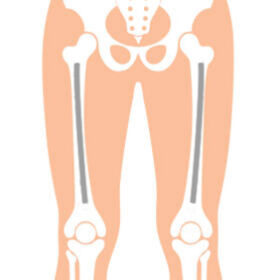 Fully Internal System
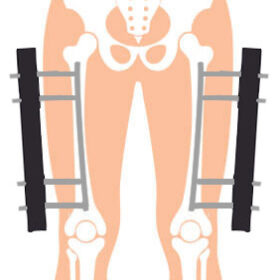 External Device System
 Before After Simulator
 Patient Portal
 Surgery Process
 Success Stories
 LL Surgery Packages
 Our Doctor
 Our Team
 Our Mission
 About Us
 Patient Care Guides
 Affiliate Program
 Activities in Istanbul


Is Limb Lengthening Surgery Safe? A Realistic Risk Checklist Before You Decide
If a procedure can make you taller or correct a leg-length difference, the first question is obvious: is limb lengthening surgery safe? The honest answer is not a simple yes or no.
Limb lengthening can be performed safely for carefully selected patients in specialized orthopedic settings. But it is still major surgery. Bone is cut, slowly separated, monitored as it heals, and supported by months of rehabilitation. That makes safety less about one headline claim and more about whether the patient, goal, surgeon, device, follow-up plan, and recovery commitment all fit together.
This guide is a practical safety checklist, not a sales pitch. It explains what changes the risk, what complications matter, which marketing claims should make you cautious, and what questions to ask before considering cosmetic height surgery or medical leg-length correction.
The quick safety answer
Limb lengthening surgery may be safe in expert hands, but it is never risk-free. It is safer when the height or correction goal is realistic, the patient is medically and mentally prepared, follow-up is frequent, and physical therapy is treated as part of the procedure rather than an optional add-on.
For a shorter direct overview, see this internal guide on is limb lengthening surgery safe.
The short answer: safe for some patients, but never risk-free
Limb lengthening surgery can be performed safely by experienced orthopedic teams that specialize in this procedure. Many patients complete treatment successfully and achieve their planned correction or height increase.
But “safe” does not mean simple, painless, quick, or complication-free. Limb lengthening is a reconstructive orthopedic process. It involves a controlled bone cut, gradual distraction, new bone formation, soft-tissue adaptation, and long-term rehabilitation.
The safety profile depends on several factors:
- Patient selection: overall health, bone quality, mobility, expectations, and mental readiness.
- Surgeon experience: planning, technique, complication prevention, and revision judgment.
- Device choice: internal nails or external fixation systems, selected for the individual case.
- Lengthening goal: larger gains generally place more stress on bone, nerves, muscles, and joints.
- Monitoring: frequent imaging and clinical checks during lengthening and healing.
- Physical therapy adherence: stretching, strengthening, gait training, and mobility protection.
There is also a major difference between using limb lengthening to correct a true medical leg-length discrepancy and using it for cosmetic height increase. The operation may be technically similar, but the risk-benefit calculation is not the same.
What actually happens during limb lengthening surgery
To understand why the safety question is complex, it helps to understand the process.
During limb lengthening surgery, the bone is surgically cut in a controlled way. After surgery, the two bone segments are gradually separated by a tiny amount each day. This slow separation stimulates the body to form new bone in the gap.
Depending on the patient and treatment plan, the surgeon may use an internal lengthening nail placed inside the bone or an external fixation system attached outside the limb. Each method has advantages, limitations, and risk considerations.
1. Surgery
The bone is cut, alignment is controlled, and the lengthening device is placed.
2. Lengthening
The bone segments are gradually separated while muscles, nerves, and joints adapt.
3. Consolidation
New bone hardens over time, with rehabilitation continuing until strength and mobility improve.
Recovery is usually measured in months, not weeks. That timeline matters because many safety problems are not limited to the day of surgery. They can appear during lengthening, bone healing, walking progression, or rehabilitation.
The main safety risks to understand before surgery
A trustworthy answer to “is leg lengthening surgery safe?” must include the complications. Not because every patient will experience them, but because safe decision-making requires knowing what can go wrong.
Surgical risks
As with other major operations, limb lengthening can involve infection, bleeding, blood clots, wound problems, and anesthesia-related issues. Infection risk varies depending on the method used and the patient’s health, but it must always be discussed before surgery.
Bone-healing risks
The new bone may form too slowly, too weakly, or in poor alignment. Possible issues include delayed union, poor bone formation, deformity, fracture, or the need for an additional procedure to support healing or correct alignment.
Nerve, muscle, and joint risks
As the bone lengthens, soft tissues must stretch and adapt. Nerve irritation, numbness, tingling, pain, muscle tightness, joint stiffness, reduced range of motion, and walking difficulty can occur. These risks rise when the lengthening goal is aggressive or physical therapy is inconsistent.
Device-related risks
Internal nails and external fixation systems are tools, not guarantees. Mechanical problems, device irritation, fixator issues, nail-related complications, or the need for adjustment or revision can occur. Modern technology can reduce some risks, but it does not remove the biological demands of bone healing.
Important distinction
High success rates do not mean every recovery is smooth. A procedure can be successful in the end and still involve pain, stiffness, slow healing, extra visits, treatment adjustments, or a longer rehabilitation period than expected.
What makes limb lengthening safer—or riskier
The more useful question is not only “is height surgery safe?” but “what would make it safer or riskier for me?”
- The surgeon has focused experience with limb lengthening and manages complications directly.
- The planned gain is realistic rather than extreme.
- The patient has good baseline health, good bone quality, and no uncontrolled medical risks.
- Smoking and other healing-disrupting habits are avoided.
- Follow-up visits and imaging are scheduled frequently.
- Physical therapy is supervised and taken seriously from the beginning.
- The patient understands that mobility, work, travel, and daily life may be restricted for months.
- The height goal is aggressive or presented as easy to achieve.
- The patient cannot commit to months of therapy and follow-up.
- There are unmanaged health problems that affect healing or clotting risk.
- The patient smokes or cannot follow restrictions during recovery.
- Expectations are based mainly on before-and-after promises rather than recovery reality.
- The clinic minimizes complications or does not explain revision planning.
- There is limited emotional or practical support during the recovery period.
Larger lengthening goals generally increase strain on muscles, nerves, joints, and bone healing. That does not mean every larger goal is impossible, but it does mean the safety margin becomes more demanding.
Mental readiness matters as well. Limb lengthening recovery can be repetitive, uncomfortable, and emotionally tiring. Patients need patience, support, and the ability to follow instructions even when progress feels slow.
Medical leg-length correction vs cosmetic height surgery: the risk-benefit difference
Medical limb lengthening may be recommended to correct a functional problem caused by leg-length discrepancy. In those cases, the goal may be to improve walking mechanics, reduce imbalance, protect joints, or address a significant asymmetry.
Cosmetic height surgery is different. It is elective. The patient may be physically healthy before surgery, which means the acceptable risk threshold should be higher and the decision should be more cautious.
This is where questions like “is height increase surgery safe?” or “how safe is height surgery?” need context. The procedure can increase height, but the benefit is personal rather than medically necessary for many cosmetic patients. That makes the tradeoff more individual.
A technically successful height increase can still be the wrong decision for someone who cannot accept months of reduced mobility, pain management, therapy, cost, time away from work, or the possibility of additional treatment.
When the benefit may be medical
- True leg-length discrepancy
- Functional imbalance
- Walking or posture problems related to asymmetry
- Correction planned around measurable orthopedic need
When the benefit is elective
- Desire to become taller
- No functional limb-length problem
- Risk weighed against personal confidence and body image goals
- Greater need for expectation screening and recovery planning
For readers comparing options and safety standards, this internal guide on limb lengthening surgery safety, recovery, and clinic verification explains what to check before choosing a treatment setting.
Marketing claims that should make you pause
Safety-focused clinics should be willing to talk about complications, not hide them behind polished language. Be cautious if height surgery is described as effortless, guaranteed, painless, scar-free, or risk-free.
Modern devices and regulatory clearances can be meaningful, but they do not eliminate surgical risk. A device may improve comfort, precision, or convenience in selected patients, yet bone still has to heal and soft tissues still have to adapt.
Promises of very large height gains without tradeoffs should also be questioned. More lengthening usually means more time, more soft-tissue tension, more rehabilitation demand, and a greater need for close monitoring.
A safer conversation sounds like this
A reputable team should explain the expected timeline, realistic lengthening limits, possible complications, follow-up schedule, physical therapy plan, pain management approach, and what happens if healing is slow or symptoms appear.
If you want more context on how technology has changed the field without making it risk-free, read this overview of advancements in limb lengthening surgery.
Safety questions to ask before choosing a clinic
Before deciding whether limb lengthening is right for you, ask questions that reveal how a clinic thinks about risk. Clear answers are a good sign. Vague reassurance is not.
Ask about experience and planning
- How many limb lengthening procedures has the surgeon performed?
- What types of cases are most commonly treated?
- What lengthening amount is recommended for my body and why?
- What device is recommended, and what are its specific advantages and limitations?
Ask about complications and recovery
- What complications are discussed before surgery?
- What revision protocols are in place if a problem occurs?
- How often are follow-up visits and imaging required?
- Who supervises physical therapy and mobility progression?
- What happens if bone healing is slow, pain increases, or nerve symptoms appear?
These questions are not meant to make the process intimidating. They are meant to protect you from making a life-changing decision based only on the possibility of extra height.
FAQ: honest answers to common safety questions
Height surgery is generally more demanding than many cosmetic procedures because it involves cutting and gradually lengthening major leg bones. It also requires months of bone healing, mobility management, and physical therapy. For selected patients it can be performed safely, but it should not be viewed as a quick or low-commitment cosmetic operation.
Modern internal nails can reduce some issues associated with older or external systems in appropriate cases, but they do not make surgery risk-free. Safety still depends on surgical planning, patient selection, realistic length goals, bone healing, follow-up imaging, and rehabilitation.
Risk generally increases as the height gain target becomes larger. Greater lengthening places more tension on muscles, nerves, joints, and healing bone. A safe plan should be based on anatomy, flexibility, health, and recovery capacity—not only on the number of centimeters a patient wants.
No. Physical therapy is central to safety. Without consistent rehabilitation, the risk of stiffness, muscle tightness, poor walking mechanics, pain, and mobility problems increases. The surgery and the therapy should be considered one connected treatment process.
It can be safe and medically useful for carefully selected patients with a true limb-length discrepancy, especially when the discrepancy causes functional problems. The benefit may be more clearly medical than in cosmetic height surgery, but the same core risks still apply and require careful planning.
The bottom line: safety is a checklist, not a slogan
So, is limb lengthening surgery safe? It can be, for the right patient, with the right team, the right goal, and the right recovery commitment.
But it is not a casual shortcut to height. It is a major orthopedic process that asks a lot from the body and from the patient’s daily life. The safest decision starts with realistic expectations: understand the risks, question overpromises, evaluate the follow-up plan, and be honest about whether you can commit to months of rehabilitation.
If the potential height gain or limb correction is worth that commitment, the next step is not to chase the biggest promise. It is to choose the most careful plan.
Are you interested in limb lengthening surgery?
We would be happy to assist you.
Go to homepage Limb Lengthening Process Gallery