


 中文 (中国)
 Deutsch
 Français
 Italiano
 Español
 Português
 العربية
 Русский
 日本語
日本語 한국어
한국어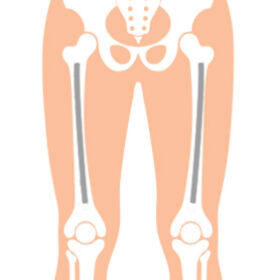 Fully Internal System
 External Device System
 Before After Simulator
 Patient Portal
 Surgery Process
 Success Stories
 LL Surgery Packages
 Our Doctor
 Our Team
 Our Mission
 About Us
 Patient Care Guides
 Affiliate Program
 Activities in Istanbul


Is Height Surgery Worth It? A Realistic Decision Guide
Wanting to be taller can feel deeply personal. It may affect how clothes fit, how you see yourself in photos, how you move through social settings, or how confident you feel before you even speak. But height surgery is not a simple cosmetic upgrade. It is a major orthopedic process that asks a serious question: how much are you willing to trade for permanent height gain?
So, is height surgery worth it? For carefully screened, well-informed adults with realistic goals, strong support, and the patience to complete rehabilitation, it may be worth considering. For others, the pain, recovery time, cost, lifestyle disruption, and complication risk may outweigh the benefit.
Height surgery usually refers to cosmetic limb lengthening or stature lengthening. It can produce permanent height gain in selected patients, but it involves surgery, bone healing, physical therapy, frequent follow-up, and months of adjustment. The right answer is not universal. It depends on your body, your expectations, your risk tolerance, and your ability to commit to the full process.
Quick answer
Height surgery may be worth it if the expected height gain would meaningfully improve your quality of life and you are prepared for a demanding medical journey. It is less likely to be worth it if you expect an easy transformation, need a fast recovery, cannot commit to therapy, or are hoping surgery alone will solve deeper self-image concerns.
The Real Question Is Not “Can I Get Taller?” — It’s “Is the Tradeoff Worth It?”
Most adults researching this procedure already understand the emotional side. They are not just asking about centimeters. They are asking whether the physical, financial, and psychological burden makes sense for the life they want afterward.
That is why the better decision question is not simply whether the procedure can increase height. It is whether the likely gain justifies the months of reduced independence, structured rehabilitation, medical monitoring, and possible complications.
For someone with long-standing height-related distress, a carefully planned height increase may feel life-changing. For someone mainly chasing a number, social comparison, or a quick confidence boost, the same process can feel overwhelming once recovery begins.
In other words, is height increasing surgery worth it? Sometimes. But only when the expected benefit is realistic and the patient is prepared for the full orthopedic commitment, not just the final height.
What Height Surgery Actually Involves
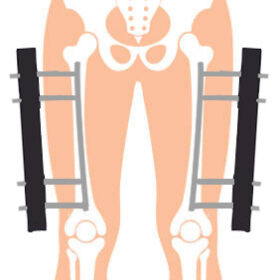
Height surgery works by lengthening the leg bones gradually. The bone is surgically cut in a controlled way, then slowly separated using either an internal lengthening nail or an external fixation system. As the gap opens, the body forms new bone in the space while muscles, nerves, blood vessels, and skin adapt to the added length.
The process is not finished when the operation ends. The lengthening phase requires careful monitoring, and the consolidation phase requires the new bone to harden enough to support normal activity. Physical therapy is central throughout recovery because soft-tissue flexibility and joint motion strongly affect the final outcome.
Follow-up visits are not optional details. They help the care team check bone formation, alignment, device function, nerve symptoms, joint motion, and walking progress. This is one reason height lengthening surgery should be viewed as a months-long treatment plan, not a single event.
How Much Height Gain Is Realistic?
Many people begin with a goal in inches. They imagine adding several inches and moving on with life. In practice, the safest and most functional amount depends on anatomy, bone segment, soft-tissue tolerance, treatment plan, and specialist judgment.
Many treatment discussions describe up to about 2 inches per surgery as a common expectation for many patients. Larger goals may be possible in selected cases, but they usually require more complex planning, longer recovery, greater soft-tissue demands, and a careful conversation about risk.
The final result should not be judged by height alone. Function matters. Proportions matter. Mobility matters. A successful outcome is not simply a taller measurement on the wall; it is a body that heals well, moves well, and feels acceptable to live in long term.
Height gained
The number of centimeters is important, but it is only one part of the result.
Function preserved
Joint motion, walking ability, strength, and comfort determine how useful the gain feels.
Recovery completed
The outcome depends heavily on follow-up, therapy, patience, and adherence to instructions.
The Benefits: When Height Surgery Can Feel Worth It
For some adults, permanent height increase is emotionally meaningful. If height concerns have been present for years and affect daily confidence, social comfort, clothing choices, or body image, the benefit can feel significant.
Some patients describe feeling more proportionate, more at ease in public, or more comfortable with the way they present themselves. These benefits are personal and difficult to measure, but they are not trivial for people who have lived with persistent height-related distress.
It is also important to separate cosmetic stature lengthening from medically indicated limb lengthening. When surgery is performed to address a limb-length discrepancy, deformity, or functional problem, the risk-benefit calculation is different. The goal may include improving gait, balance, pain, or mechanics, not only increasing overall height.
For cosmetic patients, the benefit depends heavily on expectation management. Surgery can change height. It cannot guarantee confidence, relationships, career success, or freedom from self-criticism. Psychological readiness is part of the decision, not an afterthought.
The Costs of the Decision: Pain, Time, Money, and Life Disruption
When people ask, is limb lengthening surgery worth it, they often focus on the surgical price. But the true cost is broader. It includes time, support, discomfort, uncertainty, and the temporary loss of normal independence.
Recovery commonly takes months. During that time, patients may have mobility restrictions, scheduled follow-up visits, daily exercises, and intensive physical therapy. Work, travel, family responsibilities, and social life may need to be reorganized around healing.
Pain and discomfort are expected parts of the process. The amount varies by patient, technique, medication plan, lengthening speed, flexibility, and rehabilitation quality. Some discomfort comes from surgery itself; some comes from muscles and soft tissues being gradually stretched. If pain is one of your biggest concerns, it is worth reading more about how painful limb lengthening surgery can be before deciding.
Financial planning should also go beyond the operation. You may need to consider surgery, travel, accommodation, physical therapy, medications, follow-up care, time away from work, caregiver support, and the possibility of additional care if healing does not go as planned. For a deeper breakdown, review the cost of limb lengthening surgery.
The practical question is simple but uncomfortable: can your life handle several months of being less independent? If your work, finances, home setup, or support system cannot absorb that disruption, the timing may not be right even if the motivation is strong.
Before you decide, map the full burden
- How much time can you realistically take away from work or study?
- Who can help during limited mobility?
- Can you attend physical therapy consistently?
- Can you manage travel, accommodation, and follow-up logistics?
- Do you have a plan if recovery takes longer than expected?
Useful deeper reading
Recovery is one of the biggest factors in whether the procedure feels worth it. Review the limb lengthening recovery timeline to understand the phases in more detail.
The Risks That Must Be Part of the Decision
Every elective surgery requires a risk discussion, but limb lengthening deserves special attention because the process continues for months after the operation. The body must make new bone, joints must keep moving, and soft tissues must tolerate gradual stretch.
Potential issues include infection, stiffness, poor bone healing, nerve irritation or injury, muscle tightness or injury, persistent pain, fractures, deformity, alignment problems, and the need for additional procedures in some cases. These risks do not mean every patient will have a serious complication, but they must be considered before deciding.
There is also nuance in how limb lengthening setbacks are described. Some issues may be temporary problems that resolve with treatment. Others may be obstacles that require an intervention. Some may leave lasting effects, and some are true complications. The point is not to make every setback sound catastrophic; it is to recognize that even manageable issues require expert monitoring and timely response.
Joint stiffness is one of the most important practical concerns, especially when muscle tension increases during lengthening. If flexibility is not protected, the gained height may come at the cost of movement quality. This is why physical therapy, stretching, and adherence to activity restrictions are not optional extras.
Risk management depends on several factors: specialist experience, surgical planning, device choice, patient health, lengthening amount, follow-up quality, and how consistently the patient participates in rehabilitation. To understand this area more fully, read about the risks of limb lengthening surgery.
Who Is More Likely to Find Height Surgery Worth It?
The patients most likely to view the decision positively usually have stable motivation, realistic goals, good general health, and a clear understanding of the recovery process. They are not surprised by the workload because they have prepared for it.
They also understand the tradeoff: gaining height may mean months of reduced independence. It may mean using mobility aids, arranging help, attending therapy, and tolerating uncertainty while the bone heals. The height gain may be permanent, but the journey to reach it is demanding.
Strong social support matters. So does financial readiness. Patients who are worried about every missed workday, every added appointment, or every unexpected expense may experience more stress during recovery.
A qualified orthopedic limb-lengthening specialist should also perform a thorough screening process. This should include medical evaluation, discussion of height goals, review of proportions and mobility, risk counseling, and assessment of whether the patient is psychologically prepared for the process.
- You have long-standing, stable motivation rather than a recent impulse.
- Your desired height gain is realistic for your anatomy and treatment plan.
- You accept that recovery may affect work, travel, exercise, and independence.
- You can commit to physical therapy and follow-up visits.
- You have support at home and a realistic financial plan.
- You are prepared to choose safety and function over chasing the maximum possible gain.
- You expect a quick or low-effort cosmetic change.
- You believe a specific height will automatically fix confidence, dating, career, or self-worth concerns.
- You cannot take time away from work or daily obligations.
- You do not have reliable help during the limited-mobility phase.
- You are unwilling to accept complication risk or the possibility of additional care.
- You are focused only on inches rather than long-term function.
A Practical Decision Framework
If you are still asking, is height surgery worth it, try moving from emotion to structure. The right decision should survive honest questions.
1. Define the benefit clearly
What would the added height actually change in your daily life? Be specific. Clothing fit, body proportions, social comfort, and self-image are different goals. A vague hope of feeling completely different may be a warning sign.
2. Match the goal to a safe plan
Ask whether your desired gain is medically reasonable for your body. A smaller, safer increase with better function may be more worthwhile than a larger goal that adds avoidable risk.
3. Price the whole journey, not just surgery
Include travel, accommodation, time off work, therapy, home support, medications, and contingency planning. If the full cost creates major financial strain, the procedure may not be worth it right now.
4. Test your recovery readiness
Can you tolerate months of appointments, exercises, limited mobility, and slow progress? The answer matters as much as your motivation to be taller.
5. Ask what happens if recovery is not perfect
A good decision includes a complication plan. You should understand how problems are detected, who manages them, and what signs require urgent attention.
The balanced answer
Is height lengthening surgery worth it? It can be, when the goal is realistic, the patient is well selected, and the recovery burden is fully accepted. It is not worth treating as a shortcut. The best outcomes come from careful planning, disciplined rehabilitation, and choosing long-term function over aggressive height targets.
Questions to Ask Before You Commit
A consultation should help you make a clearer decision, not pressure you into one. Before moving forward, ask direct questions and expect detailed answers.
- What height gain is realistic for my anatomy and proportions?
- Which bone segment would be lengthened, and why?
- What device or fixation method is recommended for my case?
- What will the lengthening and bone-healing phases look like?
- How often will I need follow-up visits?
- What physical therapy schedule should I expect?
- What are the most common problems in patients like me?
- How are stiffness, nerve symptoms, poor bone healing, or infection managed?
- When can I return to work, travel, exercise, and normal walking?
- What would make you advise against surgery for me?
FAQ: Is Height Surgery Worth It?
It may be worth considering for some adults with long-standing height-related distress, realistic expectations, good health, and strong commitment to rehabilitation. However, cosmetic motivation makes the decision more preference-dependent. Because the procedure is elective, the expected emotional benefit must clearly outweigh the medical, financial, and lifestyle burden.
A goal of about 2 inches may be more realistic for many patients than very large height targets, but it still requires major surgery, bone healing, and months of recovery. A smaller goal does not make the process easy. It may improve the risk-benefit balance for selected patients, but the decision still depends on anatomy, health, flexibility, support, and specialist judgment.
It can be worth it for patients who fully accept the recovery period and can plan their life around it. Recovery time is not a minor inconvenience; it is one of the central tradeoffs. If you cannot manage mobility restrictions, therapy, follow-up visits, and time away from normal routines, the procedure may not be worth pursuing at this stage.
Nonsurgical options such as posture work, strength training, clothing choices, footwear, and confidence-focused support cannot permanently lengthen bones, but they may improve appearance and self-perception without surgical risk. Limb lengthening is the only path to structural height increase, but it carries far greater cost, recovery demands, and medical risk. The comparison depends on how important permanent height gain is to you.
Ask about realistic height gain, expected recovery, pain management, physical therapy, total cost, complication risks, follow-up schedule, and what would happen if bone healing, stiffness, or nerve symptoms become a problem. Also ask whether your goals and expectations make you a suitable candidate. A careful screening process is a sign of responsible care.
Final Thought: Worth It Means Worth the Whole Process
Height surgery should not be judged only by the number of inches gained. It should be judged by the full exchange: surgery, discomfort, cost, rehabilitation, time, risk, support needs, and the quality of life you expect afterward.
For the right person, with the right plan, height surgery can be a meaningful and permanent change. For someone unprepared for the medical and lifestyle commitment, it can be too much to justify.
The strongest decision is not the most emotional one or the most optimistic one. It is the one made with clear expectations, careful screening, realistic goals, and respect for the fact that limb lengthening is a serious orthopedic journey.
Are you interested in limb lengthening surgery?
We would be happy to assist you.
Go to homepage Limb Lengthening Process Gallery