


 中文 (中国)
 Deutsch
 Français
 Italiano
 Español
 Português
 العربية
 Русский
 日本語
 한국어
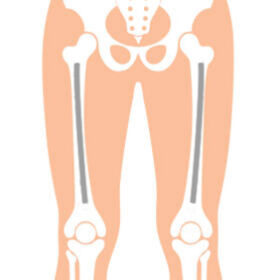 Fully Internal System
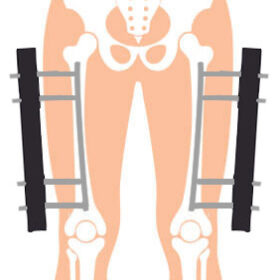 External Device System
 Before After Simulator
 Patient Portal
 Surgery Process
 Success Stories
 LL Surgery Packages
 Our Doctor
 Our Team
 Our Mission
 About Us
 Patient Care Guides
 Affiliate Program
 Activities in Istanbul


Limb Lengthening Surgery Recovery Time: A Realistic Timeline From Surgery to Full Healing
If you are researching limb lengthening, the hardest number to understand is not the height gain. It is the recovery time.
That is because limb lengthening surgery recovery time is not one finish line. Leaving the hospital, walking with crutches, walking independently, returning to work, rebuilding strength, and reaching full healing all happen at different points.
The honest answer is simple: recovery usually takes months, not weeks. For some patients, final recovery can extend close to a year or longer, especially when larger lengthening goals, slower bone healing, stiffness, or complications are involved.
Quick reality check
A typical hospital stay is several days, often around 3 days depending on the case. Lengthening commonly begins about 5–10 days after surgery. The active lengthening phase may last around 2 months for common goals, but this depends on how many centimeters are gained. Consolidation, physical therapy, strength rebuilding, and gait training continue for several more months.
Recovery takes months, not weeks: the quick answer
For most patients, the limb lengthening recovery time can be understood in stages:
- Hospital phase: usually several days for monitoring, pain control, early movement, and discharge planning.
- Latency phase: a short waiting period after surgery before lengthening begins, often about 5–10 days.
- Lengthening phase: gradual distraction of the bone, commonly around 1 mm per day when appropriate.
- Consolidation phase: the new bone hardens and becomes stronger over several months.
- Rehabilitation phase: muscles, joints, balance, and walking mechanics are retrained.
- Final recovery: return to stronger, more natural movement; device removal may be part of this process depending on the technique used.
This is why two people can have the same surgery but very different timelines. One may return to remote work relatively early, while another needs a longer period before safe independent walking or physical activity.
What “recovery” really means after limb lengthening surgery
Many patients think recovery means the bone has started to heal on X-ray. That is only part of the story.
True recovery includes several systems adapting at once:
- Bone healing: the new bone must form, mature, and harden.
- Muscle flexibility: muscles need to tolerate the new length without excessive tightness.
- Joint motion: hips, knees, and ankles must stay mobile.
- Nerve adaptation: nerves can become irritated or stretched during lengthening.
- Strength: weakened muscles need to be rebuilt gradually.
- Balance and gait: the brain and body must relearn efficient walking mechanics.
Cosmetic height surgery and medical limb lengthening for limb-length discrepancy follow similar biological phases. The reasons for surgery may differ, but the bone, muscles, joints, and nerves still need time to adapt.
Walking with support
This may mean using a walker, crutches, or wheelchair depending on the device, bone treated, pain level, and weight-bearing instructions. It is an early mobility milestone, not full recovery.
Walking independently
This requires stronger bone, better balance, controlled pain, safe joint motion, and medical clearance. Some patients may reach this around 2–3 months, but it is not guaranteed.
Limb lengthening surgery recovery time by phase
The most useful way to understand limb lengthening surgery recovery time is by phase rather than by a single date.
Phase 1: Surgery and hospital stay
The first few days focus on pain control, wound monitoring, swelling management, blood-flow safety, and early assisted movement. Many patients stay in the hospital for several days, often around 3 days, although this varies by surgical plan and individual recovery.
During this period, the care team checks movement, sensation, circulation, and early tolerance for sitting, standing, and transfers. You may begin very gentle mobility with assistance.
Phase 2: Latency period before lengthening
Lengthening usually does not begin immediately. The body needs a short recovery window after the bone cut. This latency period is often several days, commonly around 5–10 days, before distraction starts.
This does not mean nothing is happening. Pain control, swelling reduction, wound healing, and early physical therapy are already shaping the next months of recovery.
Phase 3: Lengthening or distraction phase
During the lengthening phase, the bone segments are gradually separated so the body can form new bone in the gap. A common pace is about 1 mm per day when appropriate, but the rate can be adjusted based on X-rays, symptoms, and bone response.
For many common cosmetic height goals, this phase may last around 2 months. Larger goals usually mean a longer lengthening phase and greater demand on muscles, joints, nerves, and therapy.
This is often the most routine-intensive part of height increasing surgery recovery time. Patients need follow-ups, imaging, stretching, strengthening, pain management, and careful attention to weight-bearing rules.
Phase 4: Consolidation phase
After the target length is reached, the new bone must harden. This is called consolidation. It may take several months and often lasts longer than the active lengthening phase.
During consolidation, patients may still have mobility restrictions. The bone is healing, but muscles and joints are still catching up. Physical therapy remains important because stiffness can persist even after lengthening stops.
Phase 5: Advanced rehabilitation and gait normalization
Once bone strength and surgeon instructions allow, therapy becomes more focused on walking quality, endurance, balance, and strength. This is when patients often notice the difference between “I can move” and “I move normally.”
Gait retraining can take time. Limping, hip weakness, knee stiffness, ankle tightness, or fear of loading the legs may continue after the bone looks stronger.
Phase 6: Device removal and final recovery
Depending on the method used, a second procedure may be needed to remove hardware or an external device. Timing depends on bone healing, stability, symptoms, and the surgical plan.
Device removal is not always the end of recovery. Some patients still need strength training, flexibility work, and gradual return to higher-impact activity afterward.
Leg lengthening surgery recovery time: a practical milestone timeline
The exact leg lengthening surgery recovery time varies, but this general timeline helps with planning.
| Time period | Typical focus | What patients should not assume |
|---|---|---|
| Days 1–3+ | Hospital monitoring, pain control, early assisted movement, discharge planning. | Discharge does not mean recovery is complete. |
| Days 5–10 | Lengthening may begin if healing and symptoms are appropriate. | The schedule can change based on the surgeon’s instructions. |
| Weeks 2–8+ | Active lengthening, regular therapy, mobility with aids, follow-up imaging. | More height usually means more time and more rehab demand. |
| Months 2–5+ | Consolidation, gradual strengthening, gait work, possible increase in weight-bearing if cleared. | Bone hardening is not the same as unrestricted activity. |
| Months 6–12+ | Advanced rehabilitation, endurance, return toward normal daily life, possible device removal depending on method. | Sports and high-impact activity require specific clearance. |
Walking milestones: crutches, weight-bearing, and independent walking
Walking is usually the milestone patients care about most. It is also the milestone most likely to be misunderstood.
Many patients use crutches, a walker, or a wheelchair at different points in recovery. This depends on the device, whether the femur or tibia is lengthened, whether one or both legs are treated, bone quality, pain level, and the surgeon’s weight-bearing protocol.
Internal nails and external fixators may have different weight-bearing rules. Femur lengthening and tibia lengthening can also feel different during rehab because they stress different muscle groups and joints.
Some patients may walk without crutches around 2–3 months, but this should never be treated as a promise. Walking safely matters more than walking early. Pushing too soon can increase pain, worsen gait habits, or put healing bone at risk.
Standing and walking with assistance means you are beginning functional mobility. It helps circulation, confidence, and independence, but it is still protected movement.
Walking a few steps means full recovery. In reality, independent walking, normal gait, strength, balance, and return to unrestricted activity are separate stages.
Quality of movement matters. A controlled, pain-aware, medically cleared walking plan is more valuable than rushing to drop crutches before the body is ready.
When can you return to work, travel, and daily activities?
Return to work depends less on the calendar and more on what your job requires.
Remote or desk-based work may be possible earlier for some patients if pain is controlled, medications do not impair concentration, and follow-up appointments and physical therapy can be managed. Sitting tolerance, leg positioning, swelling, fatigue, and sleep quality also matter.
Physical jobs usually require longer restrictions. Work that involves lifting, long standing, climbing, driving, site visits, or uneven surfaces may not be safe until bone healing, strength, and gait are further along.
Travel planning also needs to be realistic. Patients may need regular X-rays, medical reviews, physical therapy, thrombosis-prevention planning, accessible accommodation, and help with mobility. Long flights or long car rides can be uncomfortable and may require specific precautions.
Driving depends on which leg was treated, whether one or both legs were operated on, pain medication use, reaction time, strength, and surgeon clearance. Being able to sit in a car is not the same as being safe to drive.
Physical therapy: the part that determines much of the timeline
Physical therapy is not optional background work. It is one of the main factors that influences height surgery recovery time.
During lengthening, the bone is gradually getting longer, but muscles, tendons, nerves, and joints must adapt. Without consistent therapy, tightness can build quickly.
Therapy may include daily stretching and strengthening, often requiring serious time and effort. The main focus areas include:
- Hip mobility and hip flexor flexibility
- Knee extension and quadriceps strength
- Ankle motion and calf flexibility
- Hamstring flexibility
- Core strength and posture
- Balance and safe transfers
- Gait retraining to reduce limping
Poor adherence can extend recovery. It may contribute to stiffness, pain, delayed functional progress, difficulty walking normally, or the need for more intensive rehabilitation.
Bone
Needs time to regenerate, consolidate, and become strong enough for greater loading.
Soft tissue
Muscles, tendons, and nerves must tolerate the new length without excessive tightness or irritation.
Movement
Strength, balance, confidence, and walking mechanics must be rebuilt gradually.
Why recovery time varies from patient to patient
No responsible timeline should ignore individual variation. Height increase surgery recovery time is affected by both medical and lifestyle factors.
The biggest timeline modifiers include:
- Amount of length gained: more centimeters usually mean a longer distraction phase and greater soft-tissue demand.
- Bone treated: femur and tibia lengthening have different rehab challenges.
- One segment vs two: lengthening both femurs, both tibias, or multiple segments changes the recovery burden.
- Device type: internal nails and external fixators have different care needs, mobility rules, and removal considerations.
- Age and bone quality: healing speed varies from person to person.
- Nutrition and general health: protein intake, vitamin status, sleep, and medical conditions can affect healing.
- Smoking: nicotine exposure can interfere with bone healing and wound recovery.
- Complications: delayed bone healing, infection, nerve symptoms, joint stiffness, or hardware issues can extend the timeline.
- Adherence: following weight-bearing, physical therapy, medication, and follow-up instructions has a major impact.
For a broader explanation of the operation itself, you can read the complete guide to limb lengthening surgery. If you want a deeper look at setbacks that may prolong recovery, review the risks and recovery burden of limb lengthening surgery.
Medical travel and recovery planning
If you are planning surgery away from home, recovery logistics matter as much as the operation date. You need to plan for follow-up visits, X-rays, physical therapy access, medication management, mobility support, and a safe living environment during the early stages.
Do not plan travel as if this were a short cosmetic procedure with a quick return to normal life. The early weeks can involve limited mobility, fatigue, discomfort, and frequent medical check-ins.
Patients considering treatment abroad may find it helpful to review safety and recovery considerations for limb lengthening in Turkey. Arabic-speaking readers can also use the Arabic recovery-time help center answer.
FAQ: limb lengthening recovery time
Most patients should think in months, not weeks. The hospital stay is often several days, lengthening may begin about 5–10 days after surgery, and the active lengthening phase can last around 2 months for common goals. Consolidation and rehabilitation continue for several more months. Full recovery may take several months and sometimes up to a year or longer.
The reason for surgery may be different, but the biology is similar. Cosmetic stature lengthening and medical limb lengthening both require gradual bone formation, consolidation, soft-tissue adaptation, physical therapy, and gait retraining. The timeline depends more on the amount lengthened, bone treated, device type, health, and rehab progress than on the label used for the procedure.
Many patients begin assisted movement early, often during the hospital phase, but this may involve a walker, crutches, or wheelchair. Weight-bearing rules vary by technique and bone treated. Some patients may walk without crutches around 2–3 months, but this is not guaranteed. Medical clearance and safe walking mechanics are more important than speed.
Physical therapy usually continues through the lengthening and consolidation phases and may extend beyond them. During the active lengthening period, stretching and strengthening can be daily and time-intensive. Later therapy focuses on strength, balance, endurance, and normal gait. The exact duration depends on stiffness, strength, bone healing, and walking quality.
Desk or remote work may be possible earlier for some patients if pain, medication, mobility, sleep, and appointment schedules allow. Physical jobs usually require longer restrictions because standing, lifting, driving, climbing, or walking on uneven surfaces may not be safe during early recovery. Return-to-work timing should be cleared individually.
Full recovery can take several months and may take up to a year or longer in some cases. The final stage is not just bone healing; it includes strength, flexibility, balance, endurance, normal walking, and return to higher-level activity if appropriate.
The bottom line
The most realistic way to view limb lengthening surgery recovery time is as a sequence of milestones. Hospital discharge may happen within days. Lengthening may begin within the first couple of weeks. The active lengthening phase may take around 2 months for common goals. Consolidation and rehabilitation can continue for many more months.
Walking with support, walking independently, returning to work, and returning to unrestricted activity are not the same milestone. A safe recovery plan respects the pace of bone healing, protects the joints and nerves, and treats physical therapy as a central part of the process.
If a timeline sounds too quick, it probably leaves out the most important part of recovery: the months of disciplined healing and rehabilitation that make the height gain functional.
Are you interested in limb lengthening surgery?
We would be happy to assist you.
Go to homepage Limb Lengthening Process Gallery