


 中文 (中国)
 Deutsch
 Français
 Italiano
 Español
 Português
 العربية
 Русский
 日本語
 한국어
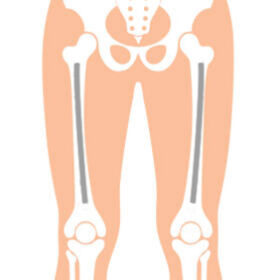 Fully Internal System
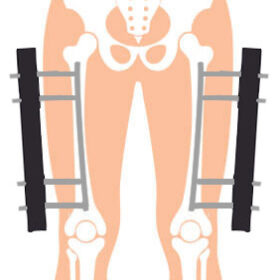 External Device System
 Before After Simulator
 Patient Portal
 Surgery Process
 Success Stories
 LL Surgery Packages
 Our Doctor
 Our Team
 Our Mission
 About Us
 Patient Care Guides
 Affiliate Program
 Activities in Istanbul


Limb Lengthening Surgery Cost in USA: Realistic Prices, Hidden Costs, and Insurance
The first price you see for height surgery is rarely the number you should budget for. Limb lengthening is not a one-day cosmetic purchase; it is major orthopedic surgery followed by months of monitoring, rehabilitation, imaging, mobility limits, and possible additional procedures.
That is why the real question is not only how much does height surgery cost in USA? It is: what does the quote include, what is excluded, and what financial risk are you taking on after the operation?
This guide breaks down the realistic limb lengthening surgery cost in USA, the most common line items, insurance differences, and the hidden expenses that can turn a low advertised fee into a much larger total.
The quick cost range
For cosmetic limb or height lengthening in the United States, many patients should expect a total starting range of about $75,000 to $200,000+ for one major treatment plan. One-segment bilateral femur or tibia lengthening often lands in the six-figure range, while staged femur-plus-tibia plans can exceed $200,000 to $300,000+.
The final number depends heavily on whether the quote includes the facility, anesthesia, implant, follow-up, physical therapy, imaging, rod removal, travel, and complication care.
The Short Answer: What Limb Lengthening Surgery Costs in the USA
In the U.S., cosmetic stature lengthening commonly costs about $75,000–$200,000+, depending on the bone segment, implant system, facility, surgeon fees, and aftercare package.
Published U.S. hospital-style pricing examples place bilateral femur lengthening around $125,000 and bilateral tibia lengthening around $135,000. These figures are useful reference points because they show how quickly a medically sophisticated, facility-based height surgery plan reaches six figures.
More extensive plans cost more. If a patient is considering staged femur and tibia lengthening, revision work, deformity correction, or a medically complex case, the total can climb beyond $200,000–$300,000.
So if you are asking how much is height surgery in the US, the most honest answer is: one segment is often a six-figure project, and the true total depends on the details behind the quote.
Typical one-segment range
$75,000–$150,000+
Often quoted for bilateral femur or tibia lengthening, depending on what is included.
Higher-end U.S. quotes
$125,000–$200,000+
Common when hospital, implant, anesthesia, and structured follow-up are included.
Multi-segment plans
$200,000–$300,000+
Possible for staged femur-plus-tibia lengthening or complex treatment plans.
Why U.S. Height Surgery Prices Vary So Much
Two patients may both search for limb lengthening surgery cost in USA and receive quotes that differ by tens of thousands of dollars. That does not always mean one quote is fair and the other is inflated. It may mean the plans are not medically or financially equivalent.
Femur vs tibia lengthening
Femur lengthening and tibia lengthening are different procedures with different technical demands, recovery profiles, therapy needs, and risk considerations. Some U.S. quotes list tibia lengthening slightly higher than femur lengthening, but pricing alone should never determine which bone is lengthened.
One segment vs multiple segments
A one-segment plan usually means both femurs or both tibias are lengthened. A multi-segment plan may involve femurs and tibias in staged procedures. More segments mean more operative time, more implants, more imaging, longer rehab, and greater total cost.
Implant and lengthening device
Many modern cosmetic height procedures use internal lengthening nails. The implant itself can represent a major part of the fee. Implant selection may affect surgical planning, weight-bearing restrictions, monitoring, and later removal.
Facility, anesthesia, imaging, and follow-up
The surgeon fee is only one part of the bill. U.S. pricing is also shaped by hospital or surgical facility fees, anesthesia, operating room time, X-rays, post-op appointments, and administrative billing structures.
Your anatomy and medical history
Leg alignment, bone quality, joint mobility, nerve sensitivity, previous injuries, flexibility, smoking history, and overall health can affect surgical complexity and recovery planning. A patient seeking a modest gain with favorable anatomy may have a different cost profile than a patient with alignment concerns or prior orthopedic issues.
Geographic and institutional pricing differences
U.S. healthcare pricing varies widely by region and facility model. A quote from a major metropolitan area may differ from one in a lower-cost region, even when the procedure sounds similar on paper.
What Is Usually Included in a Limb Lengthening Quote?
When comparing quotes, do not compare only the headline price. Ask for an itemized estimate and confirm whether each line item is included, partially included, or billed separately.
- Surgeon fee: the surgical professional fee for performing the operation.
- Hospital or facility fee: operating room, nursing, recovery area, and facility resources.
- Anesthesia: anesthesia professional fees and related medications during surgery.
- Implants or lengthening device: internal rods, nails, screws, or other fixation components.
- Initial imaging: pre-op or early post-op X-rays when included in the package.
- Scheduled post-op visits: some quotes include a set number of follow-up appointments.
- Physical therapy: frequent rehab sessions over several months.
- Additional imaging: repeated X-rays to monitor bone formation and alignment.
- Medications: pain control, supplements, anticoagulation, or other prescriptions.
- Hardware removal: removal of rods or nails may be a separate future procedure.
- Travel and lodging: especially for out-of-state patients who must stay near the surgical team.
- Complication care: delayed healing, nerve symptoms, contractures, infection, or revision surgery may create new costs.
- Is this a global package or an estimate?
- How many follow-up visits are included?
- Are physical therapy and follow-up X-rays included?
- Is rod removal included now, discounted later, or separate?
- What happens financially if healing is delayed?
- Who manages urgent problems after business hours?
Hidden and Often-Forgotten Costs to Budget For
The advertised surgical fee may look complete, but the recovery phase is where many patients underestimate the real cost. Limb lengthening requires time, consistency, and close monitoring. Budgeting should include both medical and life expenses.
Medical extras
- Physical therapy several times per week during key recovery phases
- Follow-up X-rays or scans to monitor new bone formation
- Prescription medications and mobility equipment
- Blood work or medical clearance if required
- Rod or hardware removal if not bundled into the original quote
- Evaluation and treatment for delayed healing, tight muscles, nerve symptoms, or joint stiffness
Life and logistics
- Temporary lodging near the surgical facility
- Flights, ground transportation, parking, or medical transport
- Caregiver support during limited mobility
- Home modifications, shower aids, crutches, walker, or wheelchair rental
- Time off work, reduced hours, or unpaid leave
- Childcare, pet care, meal delivery, and other daily support costs
A responsible budget should also include a reserve for complications or delays. Even with good surgical care, bone healing is biological and cannot be guaranteed on a perfect schedule.
If you want a broader overview beyond U.S.-specific pricing, see our general limb lengthening surgery cost guide.
Cosmetic vs Medically Necessary Limb Lengthening: Insurance Differences
Insurance is one of the biggest sources of confusion. Cosmetic stature lengthening, where the goal is elective height increase, is usually considered self-pay in the United States. Most patients should not expect health insurance to cover the procedure simply because they want to become taller.
Medically necessary limb lengthening is different. Cases involving limb length discrepancy, deformity correction, trauma reconstruction, congenital conditions, or functional impairment may be evaluated under different insurance rules.
Coverage still is not automatic. It depends on the diagnosis, documentation, insurer policies, preauthorization, medical necessity, and whether the planned treatment meets coverage criteria.
Insurance planning checklist
- Ask whether your case is classified as cosmetic or medically necessary.
- Request an itemized estimate before surgery.
- Confirm whether preauthorization is required.
- Ask which parts may be billed to insurance and which are self-pay.
- Get written clarification about therapy, imaging, hardware removal, and revision coverage.
Femur vs Tibia Lengthening: Does One Cost More?
In some U.S. settings, tibia lengthening may be quoted slightly higher than femur lengthening. Published reference examples have placed femur lengthening around $125,000 and tibia lengthening around $135,000.
That difference is useful for budgeting, but it should not drive the medical decision. Femur and tibia lengthening differ in biomechanics, proportions, soft-tissue tolerance, recovery experience, and potential complications.
The better question is not, “Which is cheaper?” The better question is, “Which plan is safest and most appropriate for my anatomy, goals, proportions, and lifestyle?”
Cost also needs to be weighed against realistic height gain. If you are still comparing expected results, read our guide on how much height you can gain with limb lengthening surgery.
Why Cheap Limb Lengthening Quotes Can Become Expensive
A low package price can be tempting, especially when U.S. quotes are high. But cheap limb lengthening becomes expensive when the package excludes the parts that protect your recovery.
Major orthopedic surgery requires months of follow-up, X-rays, physical therapy, and quick access to care if problems develop. A quote that excludes rehabilitation, imaging, lodging, post-op visits, or complication management may not be comparable to a more complete surgical estimate.
Medical tourism can add another layer of risk. Patients may return home before the bone is fully consolidated, then struggle to find local clinicians willing or able to manage another surgeon’s lengthening device, complications, or emergency concerns.
Reliable signs in a quote
- Clear itemized pricing
- Defined follow-up schedule
- Rehabilitation plan explained before surgery
- Complication management pathway
- Transparent implant and removal costs
- Realistic timeline for mobility and work
Warning signs
- One vague all-inclusive number
- No written plan for physical therapy
- No explanation of emergency care
- Pressure to book quickly because of a discount
- Unclear implant type or follow-up responsibilities
- Promises of easy recovery or guaranteed results
How to Build a Realistic U.S. Limb Lengthening Budget
Before booking a consultation, create a simple total-cost worksheet. This helps you compare clinics more accurately and reduces the chance of financial surprises halfway through recovery.
- Start with the surgical quote. Include surgeon, facility, anesthesia, implant, and immediate hospital-related fees.
- Add required recovery care. Estimate physical therapy, follow-up imaging, medications, and mobility equipment.
- Add future procedures. Ask whether rod removal is required or recommended, and whether it is included.
- Add living costs. Budget for housing, transport, caregiver support, and time away from work.
- Add a reserve. Set aside funds for delayed healing, additional visits, or unexpected medical needs.
This approach gives a more accurate answer than a headline fee when someone asks how much does height surgery cost in USA.
FAQ: Limb Lengthening Surgery Cost in USA
For cosmetic leg or height lengthening in the U.S., a realistic range is commonly about $75,000–$200,000+. One-segment bilateral femur or tibia lengthening is often in the six-figure range, while staged femur-plus-tibia plans can exceed $200,000–$300,000+.
Cosmetic height surgery is usually self-pay and not covered by insurance. Cases involving limb length discrepancy, deformity, trauma, congenital conditions, or functional impairment may be evaluated differently, but coverage depends on diagnosis, documentation, preauthorization, and medical necessity.
The safest low-cost approach is not simply choosing the lowest quote. It is choosing a medically appropriate plan with transparent pricing, qualified surgical care, structured rehabilitation, follow-up imaging, and a clear complication plan. A cheap package that excludes aftercare can become more expensive later.
Not always. Some quotes include a limited number of follow-up visits but exclude months of physical therapy, additional imaging, medications, and later rod removal. Always request an itemized estimate that clearly states what is included and what will be billed separately.
Many patients should plan for several months of active recovery costs, including therapy, imaging, mobility support, and reduced work capacity. Rod removal, if recommended and not included, may occur later and should be budgeted as a separate possible expense.
Bottom Line: Budget for the Procedure and the Recovery
The limb lengthening surgery cost in USA is usually a major six-figure investment for cosmetic height increase. A one-segment plan may cost around $75,000–$200,000+, while multi-segment or staged plans can rise far beyond that.
The most important financial mistake is comparing advertised prices without comparing what they include. Surgery, implant, anesthesia, facility fees, therapy, imaging, lodging, time off work, hardware removal, and complication care all matter.
A careful patient does not ask only, “How much is height surgery in the US?” A careful patient asks, “What is the full medical and recovery budget, and what support will I have if healing does not go exactly as planned?”
Are you interested in limb lengthening surgery?
We would be happy to assist you.
Go to homepage Limb Lengthening Process Gallery