


 中文 (中国)
 Deutsch
 Français
 Italiano
 Español
 Português
 العربية
 Русский
 日本語
 한국어
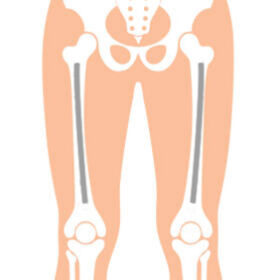 Fully Internal System
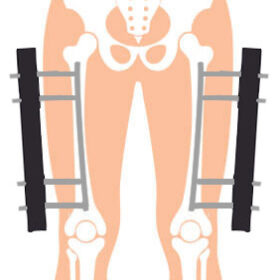 External Device System
 Before After Simulator
 Patient Portal
 Surgery Process
 Success Stories
 LL Surgery Packages
 Our Doctor
 Our Team
 Our Mission
 About Us
 Patient Care Guides
 Affiliate Program
 Activities in Istanbul


PRECICE 2 Limb Lengthening: How the Magnetic Nail Works, Who It Fits, and What Recovery Really Requires
A magnetic nail can sound almost simple: place an implant inside the bone, use a remote controller, and gain length gradually. But PRECICE 2 limb lengthening is not a shortcut. It is major orthopedic surgery with months of rehabilitation, strict weight-bearing limits, and decisions that should be made carefully.
For the right patient, the internal magnetic approach can be a powerful option. It avoids the daily burden of an external frame and can provide controlled, gradual bone lengthening. For the wrong patient, or for someone who underestimates recovery, it can become physically and emotionally overwhelming.
Quick answer
PRECICE 2 limb lengthening uses an implantable magnetic nail placed inside the femur or tibia. After the bone is surgically divided, an external remote controller gradually lengthens the nail, allowing new bone to form in the gap. The method requires careful planning, frequent X-rays, physiotherapy, limited weight bearing, and a long consolidation period while the new bone hardens.
Before You Choose PRECICE 2 Limb Lengthening: The Reality Behind the Technology
The appeal of an internal lengthening nail is easy to understand. There are no external pins crossing the skin. Clothing is easier. Sleeping and sitting can be more comfortable than with a bulky external frame. Many patients also prefer the appearance and hygiene advantages of an internal device.
Still, the biology has not changed. The bone must be cut, gradually separated, and then allowed to rebuild itself. Muscles, nerves, tendons, joints, and blood vessels must adapt to the increasing length. This is why successful results depend on more than the implant itself.
PRECICE 2 may be considered for medical limb length discrepancy, selected reconstructive cases, and elective stature lengthening. These are different situations. A patient correcting a significant difference between legs may have a different risk-benefit balance than a healthy adult seeking cosmetic height increase.
The best candidates are usually informed, patient, and prepared for months of structured follow-up. They understand that the goal is not simply more length. The goal is more length while preserving function, alignment, joint motion, and long-term safety.
Internal device
The nail sits inside the bone, avoiding external frame pins during the lengthening process.
Slow biological process
Bone lengthening happens gradually, followed by months of hardening and strengthening.
Rehab-dependent outcome
Physiotherapy, mobility rules, nutrition, and monitoring strongly affect recovery quality.
What Is the PRECICE 2 Nail?
The PRECICE 2 nail is an implantable, magnetically controlled intramedullary nail. “Intramedullary” means it is placed inside the central canal of a long bone. In limb lengthening, it may be used in the femur or tibia depending on the patient’s anatomy, goals, and surgical plan.
The nail contains an internal mechanism that responds to an external remote controller. When the controller is placed over the limb as instructed, it activates the magnetic system and lengthens the nail in very small increments.
This gradual movement separates the two bone segments after surgery. New bone then forms in the gap, while surrounding soft tissues are stretched slowly over time.
For a broader device overview, you can also read more about the PRECICE 2 method.
How the PRECICE 2 Method Works Step by Step
The PRECICE 2 method is not one event. It is a staged treatment journey. Each stage has a different purpose, and problems are often avoided by respecting the timeline.
Preoperative planning
Planning includes physical examination, X-rays, measurements, assessment of alignment, and discussion of which segment may be lengthened. The surgeon evaluates bone size, joint motion, flexibility, gait, and whether the patient’s goal is medically and biomechanically reasonable.
Osteotomy and nail insertion
During surgery, the bone is carefully divided in a controlled cut called an osteotomy. The PRECICE 2 nail is inserted into the bone canal and fixed with locking screws. Alignment and nail position are checked during the operation.
The waiting period before lengthening
Lengthening does not usually begin immediately. A short latency period allows the early healing response to start. The exact timing depends on the bone segment, patient factors, and surgeon protocol.
Gradual lengthening
The nail is lengthened gradually using the external controller, commonly around 1 mm per day depending on the protocol. The rate may be adjusted if bone formation is too slow, soft tissues become too tight, or symptoms develop.
Bone hardening
After the target length is reached, the new bone must consolidate. This phase often lasts months. X-rays guide decisions about increasing activity and progressing toward more normal walking.
In some cases, the nail may be removed later after the bone is fully healed and the surgeon decides removal is appropriate. Nail removal is a separate procedure and should be discussed during planning, not treated as an afterthought.
Who May Be a Candidate for PRECICE 2 Limb Lengthening?
Candidacy is individualized. No article can confirm whether a person is suitable, because the decision depends on bone dimensions, alignment, joints, soft tissues, medical history, and psychological readiness.
In general, the PRECICE 2 nail may be considered for:
- Limb length discrepancy: when one leg is shorter than the other and correction is expected to improve balance, gait, or symptoms.
- Selected deformity or reconstruction cases: when lengthening is part of a wider orthopedic plan.
- Cosmetic stature goals: in carefully selected adults who understand the elective nature, recovery burden, and risk profile.
Important candidacy factors include adequate bone size for the nail diameter, safe anatomy for insertion, healthy joints, good muscle flexibility, and the ability to participate consistently in physiotherapy.
Psychological readiness matters as well. Lengthening can be slow, repetitive, and frustrating. Patients must tolerate temporary dependence on mobility aids, frequent appointments, pain fluctuations, and uncertainty about how quickly their bone will heal.
A practical readiness check
Before surgery, ask yourself: Can I follow partial weight-bearing instructions every day? Can I attend frequent monitoring visits? Can I arrange help at home? Can I pause or modify work, travel, exercise, and social plans for several months? If the answer is no, the timing may not be right.
Weight-Bearing Limits: The Detail Many Patients Underestimate
This is one of the most important practical issues in PRECICE 2 limb lengthening. The device is internal, but that does not mean the limb can safely carry full body weight during the active lengthening phase.
PRECICE 2 is generally not considered a full weight-bearing nail during distraction. Weight-bearing limits depend on several factors, including nail diameter, bone segment, patient weight, bone quality, healing progress, and the surgeon’s protocol.
Some patients may use crutches. Others may need a walker or wheelchair for parts of recovery. Bilateral procedures, tibia lengthening, higher body weight, slower bone formation, or greater lengthening goals can make mobility planning more demanding.
Ignoring weight-bearing instructions can increase the risk of nail bending, implant failure, delayed healing, loss of alignment, or fracture. These complications may require stopping lengthening, prolonged protection, or additional surgery.
Plan before surgery
- Home setup with safe bathroom and sleeping access
- Transportation to follow-up visits
- Work leave or remote work arrangements
- Help with meals, laundry, shopping, and stairs
- Realistic travel restrictions during monitoring
Protect the result
- Use mobility aids exactly as instructed
- Avoid “testing” the leg without clearance
- Report new pain, clicking, instability, or swelling
- Keep X-ray appointments
- Progress walking only when cleared by the surgeon
Expected Results: How Much Length Is Realistic?
Realistic length goals depend on more than what the nail can mechanically achieve. The limiting factors are often soft tissues, joint mobility, nerve tolerance, muscle function, and bone healing.
Femur and tibia lengthening have different considerations. The femur may tolerate certain goals differently than the tibia, and the effect on gait mechanics is not identical. The safest plan is based on the individual patient rather than a fixed number of centimeters.
More length usually means more tension on muscles and nerves, more stiffness risk, and a longer rehabilitation challenge. In elective stature lengthening, this is especially important. A larger cosmetic gain may not be worth it if function, comfort, or safety is compromised.
A responsible plan balances desired height, body proportions, joint function, bone healing, and complication risk. Guaranteed length promises are not realistic medicine.
Recovery Timeline After PRECICE 2 Limb Lengthening
Recovery is best understood in phases. The exact timeline varies, but most patients should expect a months-long process rather than a quick return to normal life.
Hospital stay and early postoperative period
After surgery, early care focuses on pain control, swelling management, safe transfers, and learning how to move with mobility aids. Patients are taught how to protect the operated limb and how to begin early exercises.
Distraction phase
During active lengthening, the external controller is used according to the prescribed schedule. Frequent monitoring is important. X-rays help confirm that the nail is lengthening accurately and that new bone is forming in the gap.
Physiotherapy is central during this phase. Stretching and joint motion exercises help reduce stiffness and contractures. Pain, tightness, nerve symptoms, or reduced range of motion may require adjustments to the lengthening rate.
Consolidation phase
Once the target length is reached, the focus shifts to bone hardening. This phase can last several months. The new bone must become strong enough to tolerate progressively increased loading.
Walking progression depends on X-ray healing and surgeon clearance. It should not be rushed. A patient may feel stronger before the bone is biologically ready.
Long-term strengthening and gait normalization
Even after the bone heals, muscles need time to regain strength and coordination. Gait training, balance work, and gradual conditioning help patients move from protected walking toward more natural function.
Nail removal if recommended
Some patients may later undergo removal of the PRECICE 2 nail after full healing. Timing depends on bone consolidation, symptoms, surgeon preference, and patient-specific factors.
Common Risks and Complications to Discuss With Your Surgeon
All limb lengthening methods carry risks. The internal magnetic design can reduce some problems associated with external pins, but it does not eliminate surgical or biological complications.
Important risks to discuss include:
- Delayed bone healing or poor regenerate bone formation
- Joint stiffness, especially if physiotherapy is inconsistent
- Muscle tightness or contracture
- Nerve irritation, numbness, tingling, or pain
- Implant-related problems such as nail bending or mechanical failure
- Fracture before or after nail removal
- Infection, blood clots, or wound complications
- Need for rate adjustment, additional procedures, or revision surgery
The key question is not whether a technique is “risk-free.” It is whether the expected benefit justifies the risk in your specific case, and whether you are prepared to reduce avoidable risks through compliance and rehabilitation.
How PRECICE 2 Differs From Other Limb-Lengthening Options
Compared with traditional external fixation, PRECICE 2 offers an internal approach without an external frame during lengthening. This may improve comfort, daily convenience, and cosmetic tolerance for many patients.
However, external methods may allow different weight-bearing strategies in some cases, and combined or alternative approaches may be selected for specific deformities, cost considerations, anatomy, or revision needs. There is no single best option for every patient.
If you are still comparing approaches, the guide to internal vs external limb lengthening methods can help place this article in a broader context. You can also review a broader surgical method comparison when weighing options.
Decision Questions Before Choosing PRECICE 2
The most useful pre-consultation question is not “Can I get taller?” or “How many centimeters can I gain?” A better question is: “Can I safely complete the full treatment pathway?”
Ask about anatomy and planning
- Is my femur or tibia suitable for the nail size?
- Which segment is safer for my goal?
- What alignment issues must be addressed?
- What length is realistic for my soft tissues?
Ask about life during recovery
- How much weight can I place on each leg?
- How often will I need X-rays?
- When may I return to work or travel?
- What support will I need at home?
Frequently Asked Questions
Some pain is expected. Patients may feel surgical pain early, followed by tightness, aching, muscle soreness, or nerve sensitivity during lengthening. Pain should be monitored closely because increasing pain can signal that the rate is too fast, soft tissues are becoming too tight, or another issue needs attention.
Many patients can move with crutches, a walker, or a wheelchair, but full weight bearing is generally restricted during active lengthening. The exact limit depends on nail diameter, bone segment, patient weight, healing, and surgeon protocol. Walking progression should only happen with medical clearance.
It may reduce certain external-frame problems, such as pin-site irritation and frame discomfort, because the device is inside the bone. However, it still has risks, including delayed healing, stiffness, implant problems, fracture, and need for further surgery. “Safer” depends on the patient, diagnosis, anatomy, and treatment plan.
Recovery commonly takes many months. Active lengthening may last weeks to months depending on the goal, followed by a consolidation phase while new bone hardens. Strength, gait, and endurance can continue improving after the bone has healed.
Yes, it may be used for cosmetic stature lengthening in carefully selected adults, but this is an elective decision with real surgical risks and a demanding recovery. Cosmetic goals must be balanced against soft-tissue tolerance, function, proportionality, cost, time, and complication risk.
Bottom Line: Technology Helps, but Discipline Determines the Journey
PRECICE 2 limb lengthening can be an effective internal magnetic nail option for selected patients, but the device is only one part of the process. Careful planning, safe length goals, strict weight-bearing compliance, physical therapy, and patient readiness are just as important as the surgery itself.
If you are considering the PRECICE 2 nail, approach the decision as a full recovery commitment rather than a single procedure. The right question is not only whether lengthening is possible. It is whether the plan protects your mobility, bone healing, and long-term function while pursuing your goal.
Are you interested in limb lengthening surgery?
We would be happy to assist you.
Go to homepage Limb Lengthening Process Gallery