


 中文 (中国)
 العربية
 Русский
 Deutsch
 Français
 Italiano
 Español
 日本語
日本語 한국어
한국어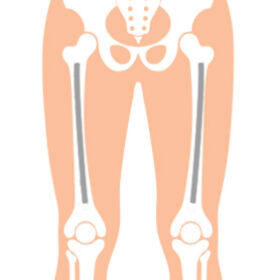 Fully Internal System
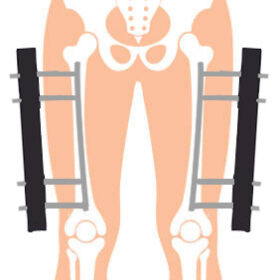 External Device System
 Before After Simulator
 Patient Portal
 Surgery Process
 Success Stories
 LL Surgery Packages
 Our Doctor
 Our Team
 Our Mission
 About Us
 Patient Care Guides
 Affiliate Program
 Activities in Istanbul


What Is LON Method vs Precice 2 vs Fitbone? A Decision Guide for Patients Comparing Hybrid and Fully Internal Lengthening
If you are comparing LON, Precice 2, and Fitbone, you are probably already past the basic question of whether limb lengthening is possible. The real question now is harder: what kind of treatment burden are you willing to live with for months, and what tradeoffs matter most to you?
For most patients, this is not simply a three-brand comparison. It is really a choice between a lower-cost hybrid method that still uses an external frame and a higher-cost fully internal option that avoids a frame but brings its own limits, follow-up demands, and implant-specific considerations.
There is no universal winner. The best fit depends on the bone segment being lengthened, your anatomy, your surgeon’s experience with that specific system, how much rehab you can realistically handle, and which devices are actually available for your case.
Quick answer
LON is a hybrid method: an external fixator is used together with an internal nail. It usually reduces frame time compared with all-external lengthening, but it does not eliminate frame burden, pin-site care, or the cosmetic tradeoffs of external fixation.
Precice 2 and Fitbone are fully internal lengthening systems. They avoid an external frame during distraction, which usually improves comfort and appearance, but they still require surgery, strict follow-up, rehab, weight-bearing precautions, and later hardware decisions.
In plain English: LON vs Precice 2 vs Fitbone usually comes down to budget and frame tolerance versus all-internal convenience and higher device cost.
LON vs Precice 2 vs Fitbone at a glance
| Method | How it works | External frame? | Comfort and scars | Infection profile | Weight-bearing | Later removal? | Relative cost |
|---|---|---|---|---|---|---|---|
| LON | Bone is cut, lengthened with an external fixator, and supported with an internal nail | Yes, during the frame phase | More visible hardware, more skin scars, more day-to-day frame burden | Higher pin-site infection and skin irritation risk because pins pass through skin | Varies by plan, but external construct can influence how load is managed | Often yes, depending on the internal nail and surgeon plan | Usually lower than fully internal nails |
| Precice 2 | Internal telescopic nail lengthened with an external magnetic controller | No | Usually better tolerated in daily life, with smaller scars than frame-based methods | No pin-site risk, but internal implant-related problems can still occur | Often limited weight-bearing during lengthening and early healing | Commonly yes, after healing | Usually higher |
| Fitbone | Fully internal lengthening nail system activated through an implanted receiver and outside transmitter | No | Also avoids frame burden; comfort profile is generally closer to Precice than to LON | No pin-site risk, but still has implant-specific and surgery-related risks | Weight-bearing limits depend on segment, implant, and plan | Often yes, after healing | Usually higher |
If you want the shortest version of what is LON method vs Precice 2 vs Fitbone, it is this: LON is hybrid and frame-based for part of treatment, while Precice 2 and Fitbone are fully internal systems. That one difference shapes comfort, scarring, infection risk, follow-up style, and cost more than any marketing label ever will.
What LON actually is: hybrid lengthening with less frame time, not no-frame treatment
LON stands for lengthening over nail. It combines two things: an external fixator on the outside of the leg and an internal nail inside the bone.
The goal is straightforward. The external frame does the active lengthening, while the internal nail supports the bone so the patient does not need to stay in a frame for as long as with a fully external method.
That shorter frame time matters, but it is still frame time. You still have pins or screws passing through skin. You still have daily pin-site care. You still have an external device attached to the leg while distraction is happening.
This is why LON should not be described as “almost internal.” In real life, it feels very different from a fully internal nail. Sleeping, clothing, showering, transfers, swelling management, skin irritation, and the visual burden of treatment are all shaped by the fact that a frame is present.
LON can make sense when cost is a major factor or when a surgeon believes the hybrid structure fits the anatomy and treatment plan better than a fully internal system. But patients choosing LON should do so with clear eyes: it reduces frame dependence compared with older fully external approaches, yet it does not deliver the same day-to-day experience as a no-frame treatment.
The key LON reality
LON is best understood as a compromise method. It can lower some of the burden of traditional external lengthening, but it does not remove the main external-fixator issues: pin sites, frame discomfort, extra scars, and visible hardware during the active phase.
How Precice 2 works
Precice 2 is a fully internal telescopic nail. The nail is placed inside the bone, the bone is cut, and lengthening is done gradually with an external magnetic controller applied over the limb.
From a patient experience standpoint, the biggest difference versus LON is obvious: there is no external frame during distraction. That usually means less visible hardware, fewer skin scars, less daily hassle with clothing and sleeping positions, and no pin-site cleaning routine.
But fully internal does not mean easy. Patients still go through a bone cut, pain control, swelling, range-of-motion work, physical therapy, frequent monitoring, and months of healing. Internal nails can also come with strict weight-bearing rules, especially during the lengthening phase and early consolidation. For some patients, that limited loading becomes one of the most important practical downsides.
Another point many patients miss is that internal nails are not always “put in and forget about it.” Later nail removal is commonly part of the overall treatment pathway after bone healing, depending on the case, timing, symptoms, local practice, and the device being used.
There is also a practical device-status issue. Availability of fully internal nails can change by country, by time period, and by current regulatory conditions. That means a patient should not assume every surgeon in every location can offer the same internal nail for the same segment on the same timeline.
How Fitbone works
Fitbone is also a fully internal limb lengthening system used in the femur and tibia. Like Precice 2, it avoids the need for an external frame during distraction. The practical difference is in how the internal device is activated: Fitbone uses an implanted receiver that communicates with an external transmitter rather than a magnetic controller in the same way as Precice 2.
For many patients, the big-picture experience of Fitbone is closer to Precice 2 than to LON. There is no frame burden. There are no pin sites to clean. The treatment is more discreet in daily life, and the cosmetic profile is usually more appealing than a hybrid or external method.
That said, Fitbone should not be blended into Precice as if they are interchangeable. The activation system, hardware design, surgeon familiarity, implant logistics, and local availability can all differ. Those details may affect follow-up routines, troubleshooting, and what options exist if a device-related issue appears.
Like other fully internal systems, Fitbone still requires careful monitoring, rehabilitation, and a realistic understanding that internal hardware can create its own problems even when it improves comfort compared with a frame.
internal vs external limb lengthening methods: where LON and internal nails really split
The phrase internal vs external limb lengthening methods sounds technical, but for patients it usually comes down to one simple question: do you want to live with hardware outside your leg during the active lengthening phase or not?
That is the deepest dividing line in the LON method vs Precice vs Fitbone decision.
With LON, the external element still matters every day. You will likely notice it when sitting, turning in bed, dressing, moving through doorways, managing hygiene, and coping with skin irritation or inflamed pin sites. Even when the frame phase is shorter than older external approaches, it is still a major part of the treatment experience.
With fully internal nails, many of those frame-related burdens disappear. But internal does not mean risk-free. There can still be pain, stiffness, delayed healing, implant irritation, hardware issues, difficulty hitting the ideal distraction rhythm, and the need for later surgery to remove the device.
External methods remain relevant because some cases are not ideal for a fully internal nail. Canal size, bone shape, deformity pattern, previous surgery, segment choice, and surgeon strategy can all push the decision toward a hybrid or external-based plan. In other words, all-internal treatment is attractive, but it is not automatically the right answer for every leg.
Frame burden
LON usually asks more from the patient day to day because part of the treatment is literally attached to the outside of the limb.
Infection pattern
LON carries pin-site and skin-entry risks, while fully internal nails shift concern toward deeper implant-related issues instead of surface pin sites.
Recovery style
Internal systems often feel less intrusive externally, but they still demand disciplined follow-up, rehab, and respect for loading limits.
Big tradeoffs patients usually care about most
When patients search for LON vs Precice 2 vs Fitbone, they usually are not asking for engineering details. They want to know what normal life will feel like, what can go wrong, and whether the extra cost of all-internal treatment is worth it.
LON: More demanding day to day because of the frame. Sleeping, showering, clothing, and mobility are usually more awkward.
Precice 2 / Fitbone: Usually more comfortable in daily life because there is no external frame. That often matters more than patients expect once treatment actually begins.
LON: More visible hardware during treatment and typically more skin marks from pin or screw sites.
Precice 2 / Fitbone: Still not scar-free, because surgery and osteotomy are still involved, but the cosmetic profile is usually better than frame-based treatment.
LON: Pin-site infection and skin irritation are major practical concerns.
Precice 2 / Fitbone: No pin-site infection risk because there are no pins through the skin during distraction, but deep infection and implant-related complications remain possible.
LON: Weight-bearing strategy depends on the exact construct and plan. Some patients assume a hybrid method automatically means easier loading, but that is not always how the plan is written.
Precice 2 / Fitbone: Fully internal nails often come with important weight-bearing limits, especially during distraction and early consolidation. Patients comparing internal systems should ask this question early.
All three options require regular monitoring and physical therapy. Internal nails may be easier to live with externally, but they still demand disciplined follow-up to keep distraction on track, protect joint motion, and watch bone healing closely.
LON: Usually the more budget-friendly path.
Precice 2 / Fitbone: Usually the more expensive path because the implant technology and logistics are more complex.
Comfort and daily life
This is where the difference is often largest. LON can work well, but it is rarely the “forget it is there” option. Patients feel the presence of the frame throughout the distraction period. Fully internal nails generally reduce the day-to-day treatment footprint, which is a major reason many patients prefer them when budget and candidacy allow.
Scarring and visibility
Internal nails are not scarless. You still have surgical incisions and bone surgery. But compared with LON, the cosmetic burden is usually lower because there are no external pins crossing the skin for weeks or months.
Infection profile
Patients often ask which method has a higher risk of infection. The most honest answer is that the infection pattern changes by method. LON adds pin sites, and each pin site is a place where skin irritation or infection can develop. Fully internal methods avoid that category of problem, but internal implants still carry their own surgical and deep-tissue risks.
Weight-bearing and mobility restrictions
Do not choose a fully internal nail assuming you will be able to walk normally early on. Many internal nail protocols involve limited weight-bearing for a meaningful stretch of time. That may affect housing plans, work-from-home options, caregiver needs, and how independent you can be during recovery.
Follow-up intensity and rehab burden
One of the biggest myths in LON method vs Precice vs Fitbone discussions is that internal means simpler follow-up. In reality, lengthening still requires close monitoring of the regenerate bone, joint motion, muscle tightness, nerve symptoms, and distraction accuracy. If you cannot commit to physical therapy and repeat check-ins, no method becomes easy just because the hardware is hidden.
Budget differences
For some patients, the decision is made here. LON is usually less expensive than fully internal options. That lower upfront cost, however, comes with more frame burden and a different complication profile. Fully internal options often cost more because they buy convenience, reduced external hardware burden, and a different patient experience.
Practical differences between Precice 2 and Fitbone that patients should ask about
Once a patient has decided that a fully internal approach is preferable, the next question becomes more specific: Precice 2 or Fitbone?
In many cases, the patient experience overlaps. Both are fully internal, both avoid frame burden, both require careful follow-up, and both commonly involve later hardware decisions after healing. But there are still meaningful practical questions to ask:
- Which device is available for your bone segment right now?
- How is the device activated at home, and how easy is that routine to learn?
- What are the expected weight-bearing limits for your specific femur or tibia plan?
- How often will imaging and follow-up be needed during distraction?
- What is the usual timing and plan for hardware removal?
- What backup plan exists if the device is not available or if your anatomy is borderline for that system?
Device status and availability can vary by market and over time. That means the best comparison is not theoretical. It should be based on what is actually offered for your case today, under current rules, by a surgeon who regularly uses that system.
Who tends to lean toward each option?
These are broad patterns, not rigid rules.
- LON may appeal more to patients who need a more budget-conscious plan and accept the reality of an external frame for part of treatment.
- Precice 2 may appeal more to patients who strongly prioritize all-internal treatment, lower visible treatment burden, and a more discreet recovery experience, while accepting stricter loading limits and higher cost.
- Fitbone may appeal more to patients who want a fully internal approach and are comparing device logistics, local availability, activation style, and surgeon familiarity rather than simply asking which system has the better marketing story.
The right choice is rarely about internet popularity. It is about fit: your anatomy, your goals, your budget, your recovery environment, and the method your surgeon can perform well and follow closely.
A useful way to think about the decision
First choose between hybrid vs fully internal limb lengthening. Then, if fully internal is right for you, compare the practical details of Precice 2 and Fitbone instead of treating them as identical.
FAQ: what patients usually ask before choosing
Usually, yes. LON is often the lower-cost option because it does not rely entirely on a premium fully internal lengthening system. But lower cost comes with tradeoffs: external frame burden, pin-site care, more visible hardware during treatment, and a different comfort profile.
No. Fully internal nails usually reduce visible hardware and improve day-to-day comfort compared with LON, but they do not make recovery easy. Surgery, osteotomy, pain control, stiffness, physical therapy, follow-up imaging, and healing time still matter. Internal does not mean scarless, painless, or risk-free.
LON usually has a higher risk of pin-site infection and skin irritation because pins or screws pass through the skin. Fully internal methods avoid that specific issue, but internal implants can still have deeper infection and hardware-related complications. The infection pattern is different rather than simple.
Often, yes. Many treatment plans include later removal of the internal nail after bone healing, depending on symptoms, timing, surgeon preference, and device-specific guidance. Patients should ask about the likely timeline from the beginning so removal is treated as part of the journey, not a surprise.
No. There is no universal safest method and no single method that automatically gives the most height in every case. Safe achievable length depends on the bone segment, soft-tissue tolerance, anatomy, nerve and muscle response, surgeon strategy, and how well rehab is going. A method that is excellent for one patient can be a poor choice for another.
Bottom line
If you came here asking what is LON method vs Precice 2 vs Fitbone, the clearest answer is this: LON is the hybrid option with an external frame phase, while Precice 2 and Fitbone are fully internal nail systems. That single difference drives most of the real-world tradeoffs patients care about.
LON usually offers a more accessible price point, but at the cost of frame burden, more visible treatment, and pin-site care. Precice 2 and Fitbone usually offer a more comfortable and discreet daily experience, but with higher cost, device-specific availability issues, careful follow-up requirements, and weight-bearing limits that should never be underestimated.
If you are narrowing the choice further, this more focused LON vs Precice 2 comparison can help. But before choosing any method, make sure you are comparing not just technology names, but the actual lived experience of treatment, the likely restrictions during recovery, and whether that plan truly fits your body and your life.
Are you interested in limb lengthening surgery?
We would be happy to assist you.
Go to homepage Limb Lengthening Process Gallery